Personal Photography Projects: A Place to Experiment Before Client Work
A personal project gives an idea somewhere to go before it becomes a client promise. You can try a lighting approach, explore a subject, or test a visual story without pretending you already know the answer.
That freedom is valuable when it has a little structure. Experimentation does not need to be aimless to be creative. A clear question and a manageable plan can help you learn more than a large production built around proving you are talented.

Start with something you want to understand
Choose a question you can explore through photographs. What does tension look like in a portrait? How does a setting change the way we read a person? Can you tell a story with a sequence rather than one dramatic frame?
The question gives the project direction while leaving room for surprises. It also makes review more useful. Instead of asking only whether the photograph is impressive, you can ask what it taught you about the idea.
Keep the first version small
Limit the number of subjects, locations, or techniques. A small project can still be ambitious in meaning. Fewer production variables give you more attention for the part you actually want to explore.
Write a simple brief for yourself: the idea, the visual approach, the resources available, and a realistic time to finish. Scope is not the enemy of creativity. It is often what lets an experiment happen between the other responsibilities of running a business.
Make room for failure with a purpose
Trying something unfamiliar means some frames may not work. Record what happened and what you would change. A lighting test that fails to create the intended mood can still teach you about direction, contrast, or the relationship between subject and background.
Avoid romanticizing failure on its own. The useful part is the observation and adjustment afterward. For paid work, clients deserve a dependable plan. Personal experiments can help build that dependability before a new technique becomes part of a promised deliverable.
Review the work with specific questions
Ask whether the image communicates the intended idea, whether attention lands where it should, and what feels unresolved. Seek feedback from someone who can respond thoughtfully. Tell them what you were trying to achieve so the critique has a meaningful starting point.
You do not have to accept every suggestion. Separate observations about what viewers see from instructions about how they would make the image. The first can be valuable even when you choose a different solution from theirs.
Carry the learning into your professional work
A successful experiment may become a new portrait approach, a production method, or a better way to explain an idea to a client. Another project may remain personal. Both can be worthwhile. The point is to expand your understanding, not force every image into a sales pitch.
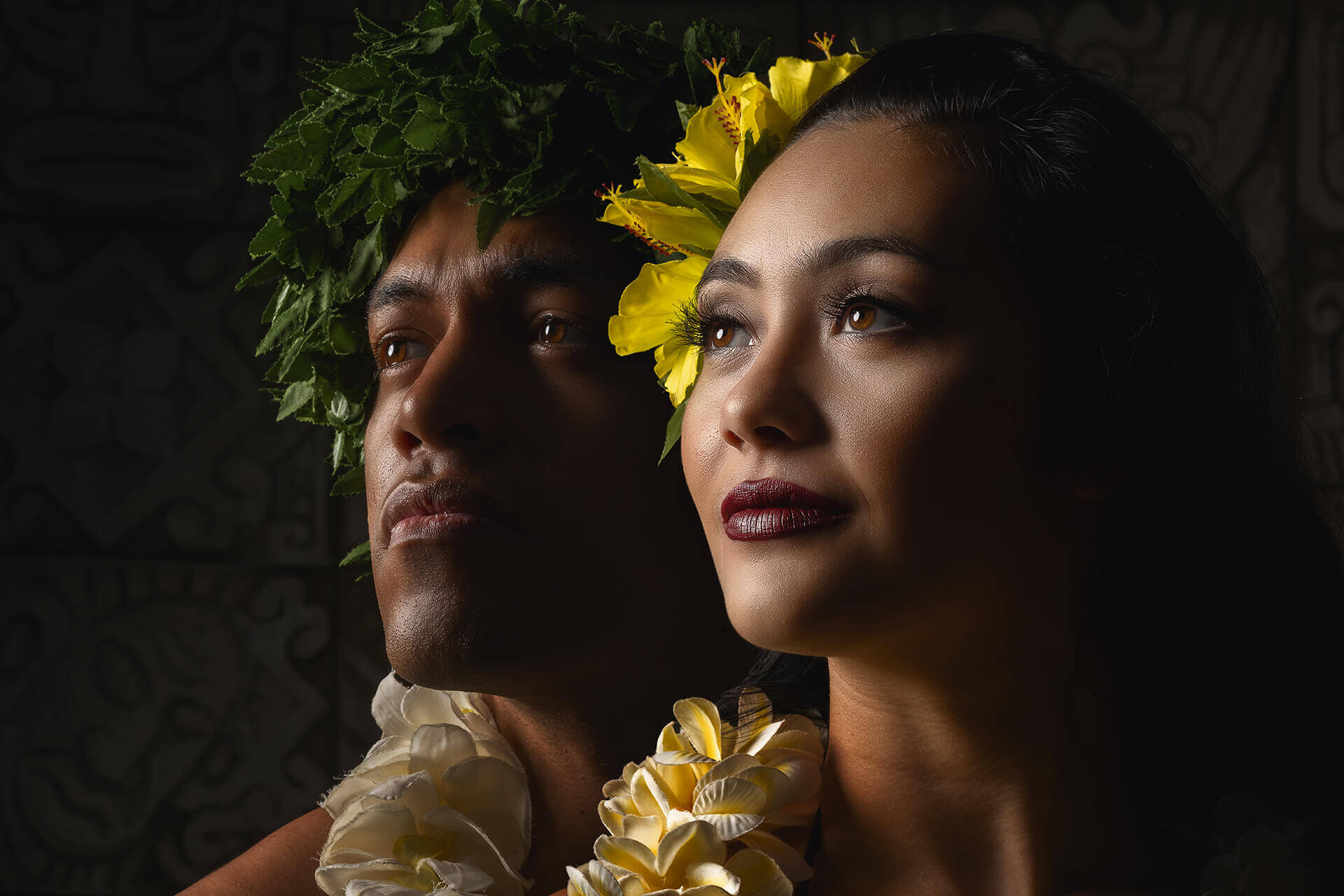
Spectacle’s portrait portfolio and photography services reflect an interest in images with intention and personality. They can be starting points for looking at how visual choices support a subject.
What if you feel stuck? Reduce the project until it becomes possible: one person, one idea, one session. Finish that version and learn from it. For a client with an unusual portrait concept, talk with Spectacle Photo about how to turn the idea into a practical session. For creatives, give the next experiment a date and make something.