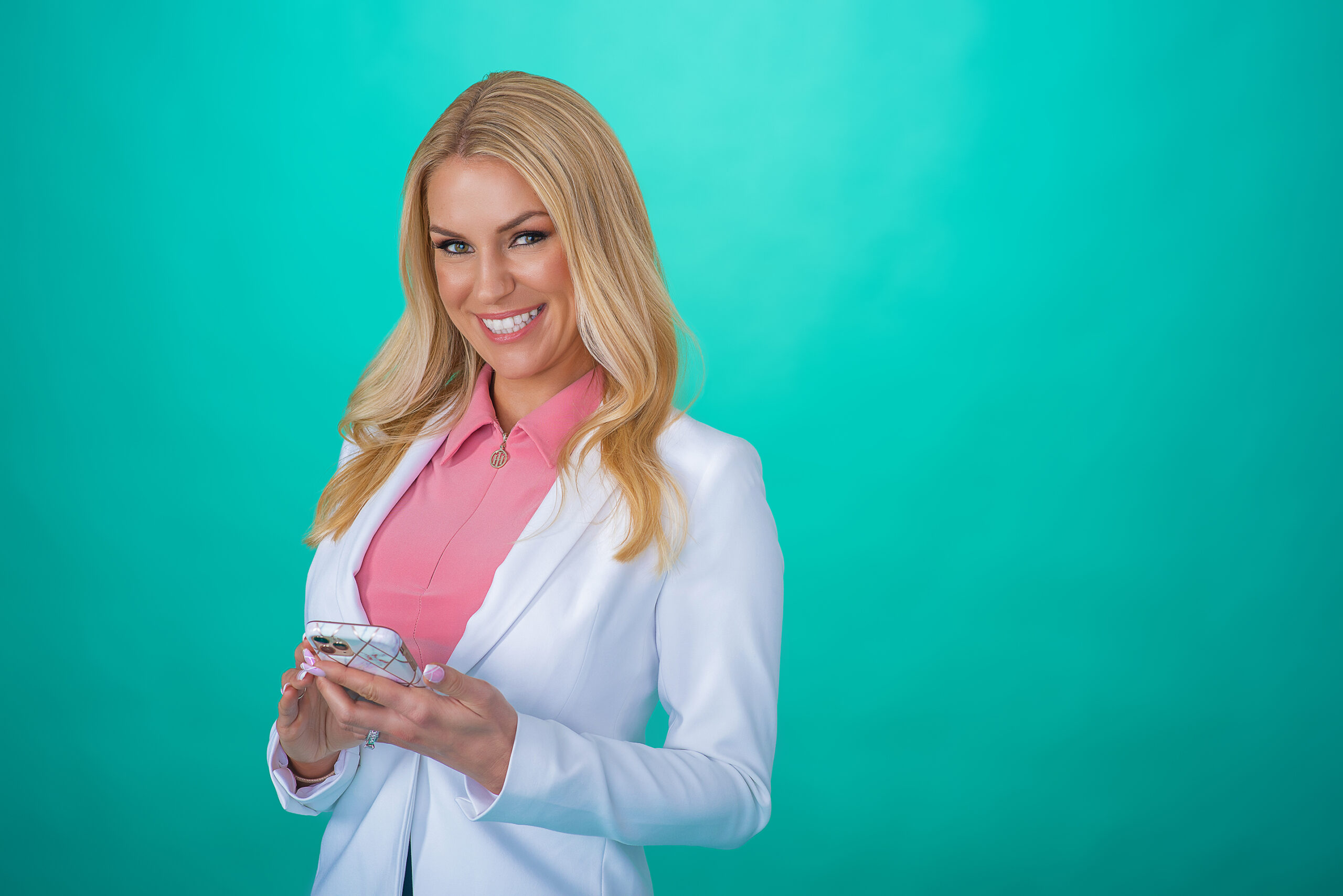
Author and Speaker Photography: Plan Beyond the Bio Headshot
Your photograph may arrive before you do. It appears beside a session title, on a book website, in a podcast announcement, or in a message introducing you to an audience. For authors and speakers, a headshot is part of the invitation.
The mistake is asking one portrait to cover every placement. A small, thoughtful set of photographs can give publishers, event organizers, and your own marketing team images that fit their layouts without losing your identity.

Begin with the message, not the pose
What do you write or speak about, and who needs to hear it? A practical business educator, a memoirist, and a performer may need very different visual approaches. Describe the audience and the work before discussing backgrounds or outfits.
Choose a tone that feels connected to how you appear in person. If your presentation style is warm and conversational, an excessively severe portrait may set the wrong expectation. A playful image can work when it supports the message rather than distracting from it.
Build a press-friendly set
Plan a clean headshot, a wider horizontal portrait, and a vertical image with useful space around the subject. If a publisher or event has specifications, obtain them before the session. Keep a folder of approved images labeled with your name and the photographer’s credit.
Different placements have different needs. A tiny speaker-list thumbnail favors a clear face. A magazine feature may benefit from an environmental portrait. A social announcement might need space for the event title without covering your expression.
Add book and process photographs deliberately
For a launch, discuss photographs with the physical book, details of the cover, and images that connect you to the subject. Confirm that the edition, cover, and supporting materials are final before photographing them. A last-minute cover change can make an otherwise strong image less useful.
Process imagery can show writing, research, rehearsal, or another genuine part of the work. It does not need to stage a dramatic revelation at a typewriter. Believable actions and relevant surroundings often tell the story more clearly.
Decide whether video belongs in the session
If you also need short introductions, launch clips, or speaking footage, discuss video production during planning. Audio, scripting, vertical framing, and editing all affect the schedule. Video should have a defined job and deliverables rather than being a casual addition after the photographs are finished.
Still photographs can promote a talk, but they do not demonstrate speaking delivery. If that is what a booking contact needs, an appropriate video sample may be more useful. Choose the format around the decision the audience is making.
How many final images do I need?
Enough to cover your confirmed uses with useful variety. There is no prize for the largest folder. Ask which image will go where, who will receive it, and what crop they need. That will produce a better plan than selecting an arbitrary image count.
Explore personal branding photography for the portrait side of your public presence. Contact Spectacle Photo with your book, presentation, and upcoming placements. We can help plan images that introduce both the person and the work.
Related reading
Personal Branding Is More Than a Message or LinkedIn Profile