Personal Branding Photography for Small Business Owners: What to Photograph
If you are the person clients call, the person doing the work, and the person trying to keep the business visible, a personal branding session needs to earn its place on your calendar. A collection of attractive portraits is nice. A collection that answers your customers’ questions is more useful.
Personal branding photography for small business owners should show who you are, what you do, and what working with you feels like. Start with those questions, then build a shot list around the places your images will appear.

Translate your services into visible moments
A consultant might need images of a conversation, planning notes, and a presentation. A maker might need hands, materials, tools, and the finished product. A service business might need the team arriving, preparing, and carrying out the work.
Avoid filling the session with props that have no connection to the business. A laptop is useful when it reflects your process. It is less useful when every image says only that you own a laptop. Show specific actions your customers can understand.
Photograph the person and the experience
Include clear portraits for biography pages and professional profiles, but leave room for wider scenes. A photograph of your environment can help someone imagine an appointment or understand how you work. Details can make the story feel grounded: materials, a familiar location, or an object central to your service.
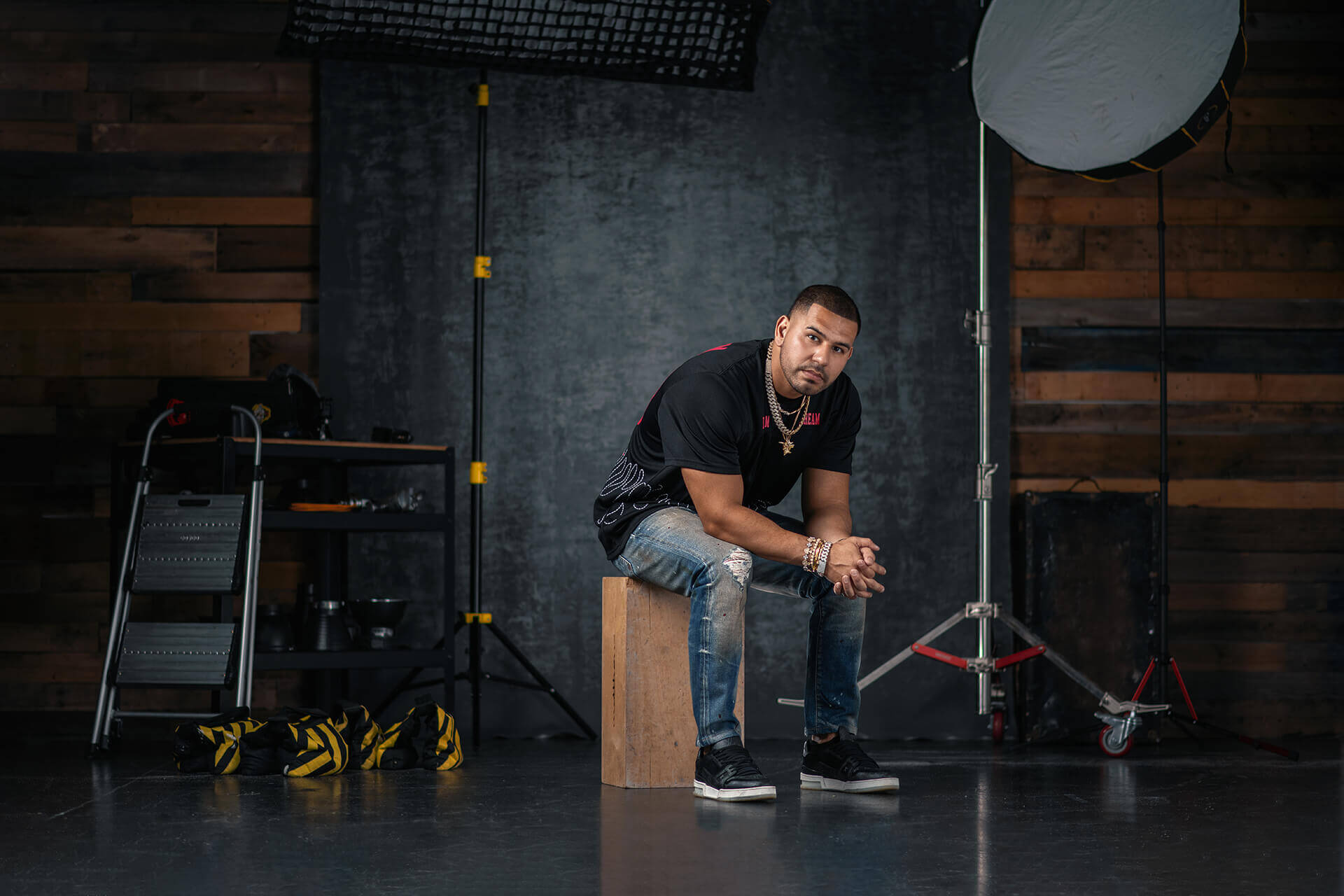
The personal branding portfolio shows how portraits can go beyond a neutral background. Use those examples to discuss tone and possibility, while keeping your session rooted in your own work.
Let the website guide the compositions
Show the photographer your actual layouts. If the home page needs a wide image with a headline on the left, that should affect the composition. If service pages need vertical portraits, capture them deliberately. A square profile image and a large website banner are different assignments.
Choose a few priority placements before adding secondary ideas. A session built around every imaginable future need can become scattered. Begin with the pages and campaigns you know you will use, then add variety within those priorities.
Prepare the things clients will notice
Check clothing, workspace presentation, visible labels, and any materials that will appear. Remove sensitive documents and private customer information. If other people will be photographed, arrange participation and any appropriate permissions in advance.
Plan believable actions rather than asking everyone to pretend to be busy without a purpose. A simple task performed naturally often produces more convincing photographs than a complicated scene assembled to look successful.
Turn the gallery into a working library
After delivery, organize images by use: website, biography, services, social posts, and announcements. Record where they have appeared. Pair different photographs with specific messages so the same hero portrait does not become the entire marketing strategy.
Do I need several outfits? Only if they support meaningful differences in use or setting. A small number of considered looks can produce more coherence than constant wardrobe changes.
Spectacle Photo can help shape a personal branding session around your real business. Tell us what you sell and where the images need to work. The aim is a library that makes your work easier to explain, one useful photograph at a time.
Related reading
Personal Branding Is More Than a Message or LinkedIn Profile