Event Photography Storytelling: Capture What Happened Between the Highlights
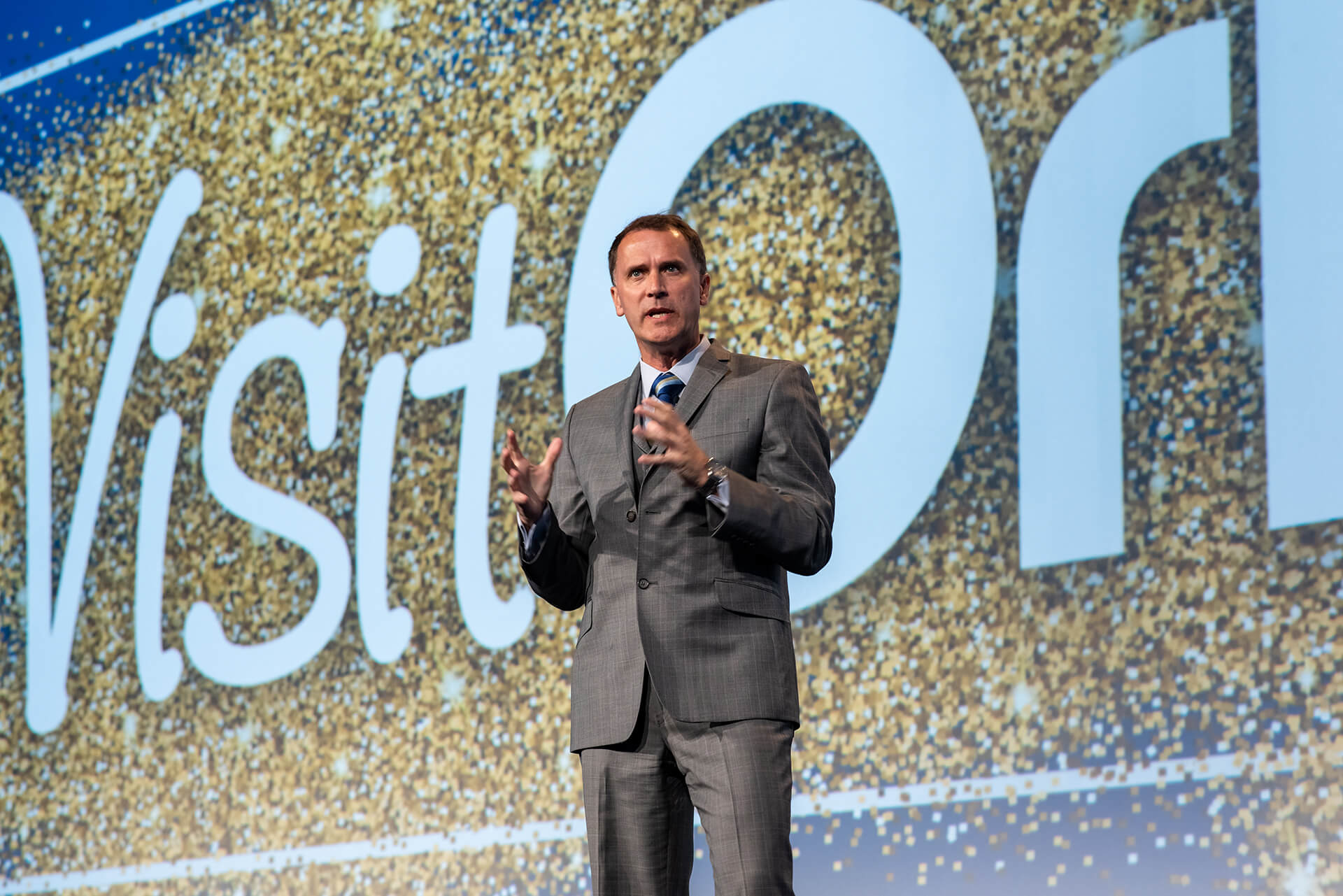
The keynote photograph proves a speaker was on stage. The audience photograph helps explain whether people were engaged. A conversation afterward may show what the event actually set in motion. Together, those images tell a fuller story than the stage alone.
Event photography storytelling is about relationships between moments. For businesses and organizers, that can turn a recap into something people understand even if they were not in the room.

Photograph the beginning of the experience
Arrival, preparation, signage, and the first interactions establish place and expectation. A few thoughtful opening images can orient the viewer without requiring a long caption. They explain where the event happened and how people entered the experience.
Do not use every room photograph simply because it exists. Choose details that matter to this event: a distinctive environment, a meaningful activity, or something the organizer deliberately created for attendees.
Connect the action to the reaction
A speaker, demonstration, or presentation has more meaning when the viewer can see how people respond. Look for attention, laughter, questions, concentration, and participation. These reactions should be observed, not invented or miscaptioned to make the event appear more successful.
For planners, this means giving the photographer room to move and enough context to anticipate moments. A run of show protects coverage of scheduled highlights. Access and observation make the rest possible.
Notice what happens away from the stage
Networking, small-group conversations, and practical demonstrations often reveal why people attended. They can provide useful images for future invitations and service pages, especially when the event is built around relationships or learning.
Respect the setting. Some conversations are private, and some participants may prefer not to be photographed. Coordinate expectations and any restrictions with the organizer. A thoughtful photograph should not interrupt the interaction it is trying to show.
Sequence images with a purpose
A recap can move from the setting to the people, the main activity, and the aftermath. It does not need to follow every minute chronologically. Choose a sequence that helps viewers understand the event’s idea and the experience around it.
Vary scale and composition. Repeated wide shots can feel distant; repeated close-ups can lose context. Use the strongest establishing frames, expressive moments, and details together. The final story benefits from selection as much as from coverage.
Use the photographs beyond one recap
An image of a specific speaker may be useful for that person’s session. A photograph of participation might support future registration. A sponsor interaction can help explain an activation. Assign images to uses rather than publishing the entire gallery in the same place.
If you also need motion and sound, discuss video production while planning coverage. A still gallery and a video recap can complement each other, but each requires its own attention and deliverables.
Does storytelling mean missing the formal photographs? No. Required images remain part of the brief. The wider story adds context around them so the final set is useful to people who were there and people who were not.
Explore corporate event photography and Sixthman’s client portfolio for different event contexts. Talk with Spectacle Photo about the moments your audience needs to see, and the ones they might otherwise miss.