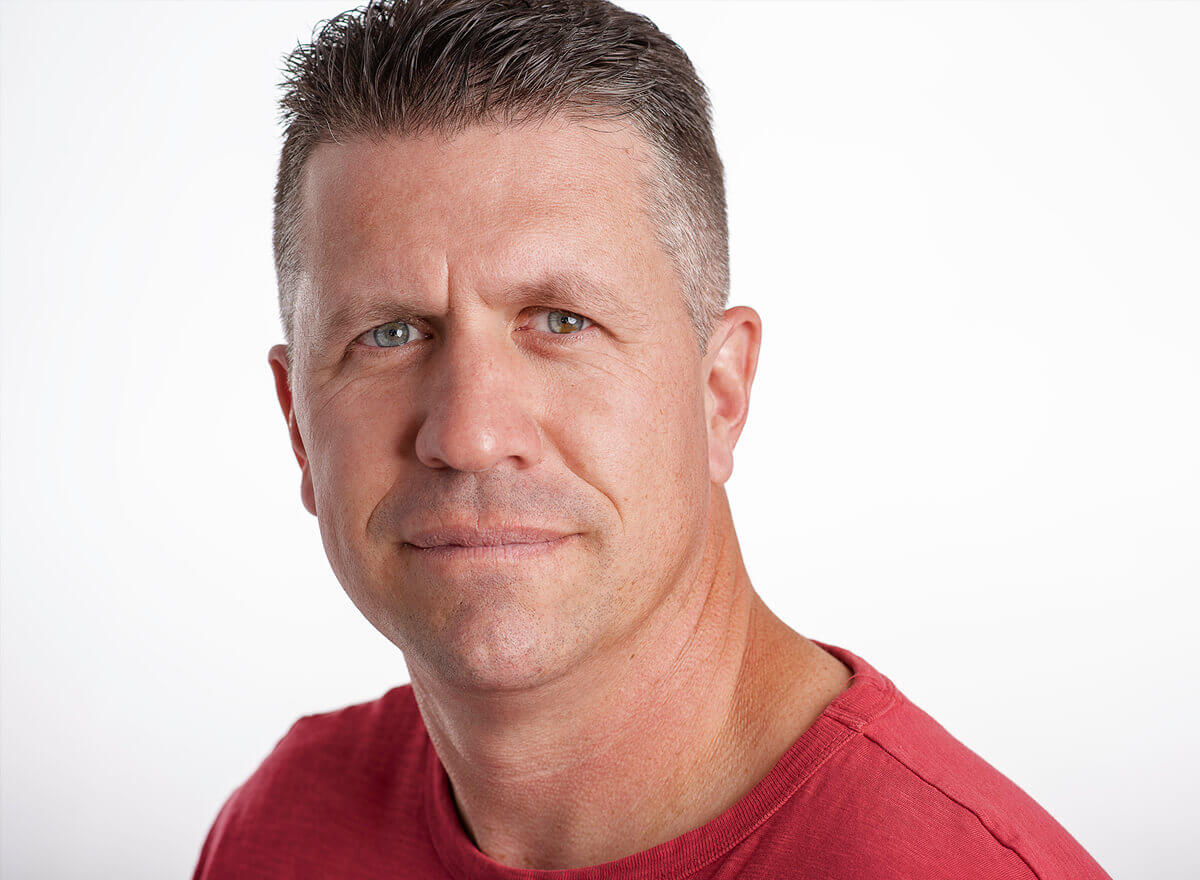
Headshot Activations at Trade Shows: Plan the Experience and Measure It
A professional headshot gives a trade show attendee something personal and useful to take home. For an exhibitor, it can also create a reason to stop, start a conversation, and remember the company behind the experience.
That does not make a headshot activation an automatic lead-generation machine. The results depend on the event, audience, booth team, workflow, and follow-up. Plan the experience and the measurement together instead of assuming a line of people equals business value.

Define the activation’s main job
Decide whether the priority is attendee engagement, sponsor value, conversations with a particular audience, or a memorable customer experience. That goal affects staffing, scheduling, and what information you need to collect.
Spectacle’s Headshot Swag service describes headshots as an event offering. Use the planning conversation to define your particular activation, rather than treating every conference or booth as the same environment.
Give the photographer enough room to work
Confirm the footprint, background, lighting, power, and venue restrictions. Plan where people wait and where the booth team talks with them. An activation that blocks traffic or crowds the photographer makes the experience harder for everyone.
Ask how long each appointment should take and what image selection process fits the event. More portrait options or on-site review may reduce throughput. A realistic capacity is better than a promise that depends on everyone moving perfectly all day.
Make delivery expectations clear
Tell attendees what they receive, when they receive it, and how to access it. Clarify the retouching scope and whether delivery happens during or after the event. These details should be agreed before staff begin inviting people into the line.
If delivery requires an email address or another identifier, explain that purpose. Separate photograph delivery from marketing opt-in in the workflow, and coordinate data handling with the organizer. A helpful service should not create an unexpected communication obligation.
Connect the booth team to the experience
Assign someone to welcome attendees, manage the queue, answer questions, and handle problems. The photographer’s time should go toward making portraits. Give booth staff a natural conversation opener related to the visitor’s work and your offering.
Avoid turning every portrait into a pressured sales pitch. The experience can create an opening, but the conversation still needs to be relevant. People should leave knowing both where their photograph will arrive and which company provided the service.
Measure something more useful than the queue
Track portraits completed, delivery success, and the conversations your team classifies as relevant. If you track follow-up meetings or opportunities, use your normal attribution rules and compare results with the activation’s full cost. A small event and a large trade show should not be judged by the same raw count.
There is no universal headshot-activation conversion rate to promise here. Your own event data is more useful than an impressive percentage from a different audience and setup.
Contact Spectacle Photo with the event, booth layout, expected audience, and goals. We can discuss a headshot activation that gives attendees a useful portrait and your team a clear, measurable plan.