A Corporate Event Photography Shot List for Marketing Teams
The agenda tells you what happens at an event. A photography shot list explains what the marketing team needs to be able to show afterward. The two overlap, but they are not the same document.
A useful corporate event photography plan captures the formal program and the people experiencing it. It also identifies the images that cannot be missed, the access needed to make them, and any files required while the event is still happening.

Start with the event’s purpose
Is this a customer gathering, a conference, an awards program, a product announcement, or an internal meeting? What should the photographs help communicate? Those answers determine the priorities.
Write down the intended uses: a recap, sponsor reporting, next year’s event page, internal communications, or media distribution. A list of applications gives the photographer context for choosing angles and moments beyond the obvious stage photograph.
Cover the program and the room
Identify keynote speakers, panelists, award recipients, and any required group photographs. Share the run of show and name the people who can help locate participants. If a formal portrait must happen in a short window, schedule it rather than hoping everyone will be available later.
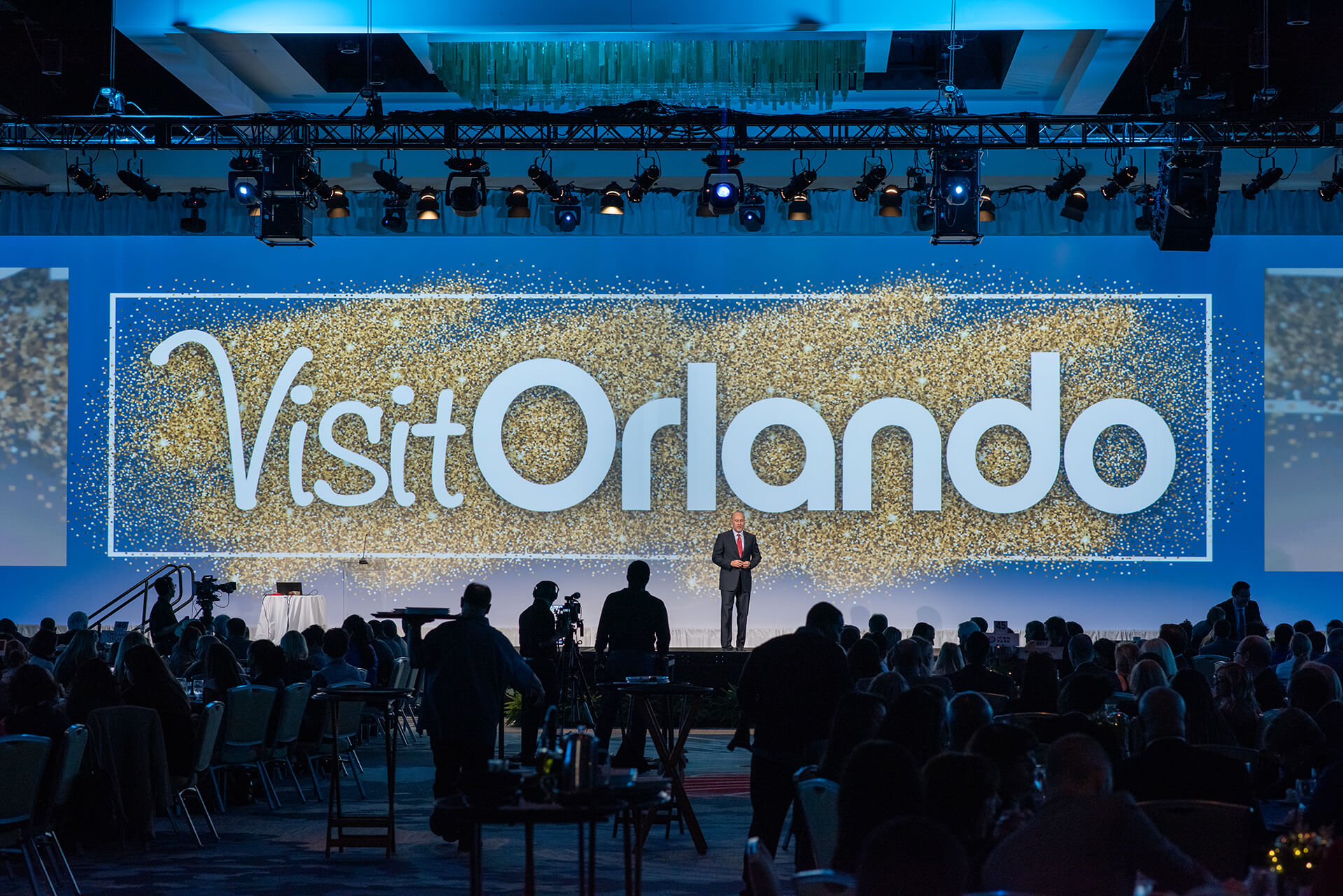
Include establishing photographs, audience reactions, networking, and details that reveal the setting. Wide views can show scale. Closer frames can show attention and connection. Both contribute to the story, provided the photographer has appropriate access.
Make sponsor needs specific
If sponsors require photographs of their participation, describe what matters: a staffed booth, a demonstration, a branded activity, or a representative interacting with attendees. A logo by itself may not explain the experience.
Tell the photographer which sponsors and activities are priorities. Avoid promising every possible angle of every booth without discussing the time and coverage required. When simultaneous sessions compete for attention, the plan needs a realistic order of importance.
Plan access and restrictions
Coordinate credentials, stage access, movement rules, flash restrictions, and venue requirements. Share any privacy-sensitive sessions or participants who should not be photographed. Explain the event’s attendance photography notice and consent arrangements to the relevant teams.
For Orlando events, allow practical time for venue entry, parking, and setup. The photograph of the opening moment depends on a photographer already being in position, not still waiting at a loading entrance.
Agree on priority delivery
If marketing needs selected images during the event, define the number, deadlines, selection contact, and transfer method. Same-day delivery affects the coverage workflow and may require support or planned pauses. It should be scoped before the event.
Afterward, organize the gallery so staff can find speakers, sponsors, and audience images without sorting hundreds of files from memory. Consider accurate captions or naming conventions where identification matters.
How detailed should the list be? Detailed enough to protect the essential moments, flexible enough for the photographer to notice the unscripted ones. A checklist should support observation rather than replace it.
Explore Spectacle’s corporate event photography. Send us your agenda and marketing priorities, and we can help turn them into a coverage plan that tells the event’s story beyond the schedule.