Executive Headshots and Business Portraits: Which Does Your Team Need?
An executive portrait often gets asked to do several jobs at once: introduce a leader on the company website, accompany a news announcement, appear on a conference screen, and fit a small professional profile. Those uses do not all need the same photograph.
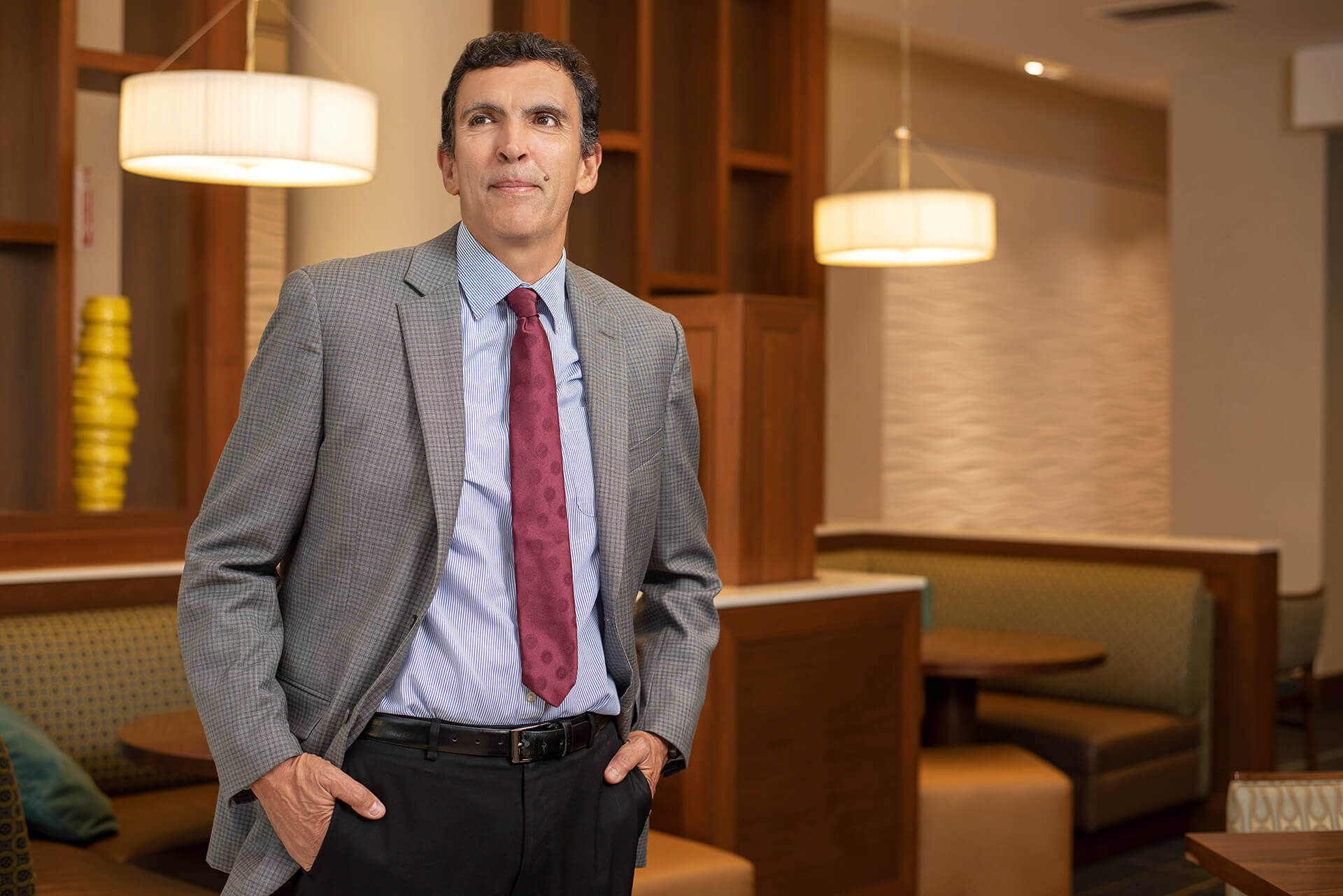
The distinction between an executive headshot and a business portrait is practical. A headshot centers recognition and expression. A wider portrait can connect the person to a place, a profession, or a company story. A useful leadership session considers both before the camera comes out.

Use a headshot when recognition is the priority
A clean headshot is a strong choice for biography pages, professional directories, speaker lists, and internal profiles. Keep attention on the face, with enough room around the subject for the intended crop. A portrait that works at full screen should also remain readable when it becomes a small thumbnail.
Expression matters as much as the background. The goal is a leader who looks engaged and recognizable, not someone bracing for a passport inspection. Coaching and a little time to settle into the session help people find that expression.
Use an environmental portrait when context matters
A business portrait can show a leader in an office, workshop, facility, or other relevant environment. That setting may explain something a neutral background cannot: the scale of an operation, a hands-on role, or a connection to the people doing the work.
Spectacle’s TLC Engineering Solutions portfolio offers examples of corporate photography that includes people and their surroundings. It is a visual reference for discussing context, not evidence that a particular portrait generated a business outcome.
Build a small, deliberate image set
Before an executive session, list the immediate uses and the likely ones. A useful set might include a close portrait, a wider horizontal image, a vertical portrait, and a photograph with space for a headline. Those are separate composition decisions, not just four exports of the same frame.
If your communications team routinely receives media requests, ask which file formats, orientations, and background treatments are most helpful. Agree on how selected files will be labeled so a staff member can locate an approved photograph without searching through an entire gallery.
Prepare the person and the location
Choose clothing that fits the executive’s role and the organization’s culture. Bring alternatives if the session must serve different audiences. Check the location for reflective surfaces, busy signage, restricted areas, and sensitive information. Build setup and transition time into the schedule.
It also helps to tell the photographer how the executive likes to work. Some people appreciate direct posing instructions. Others loosen up through conversation. A portrait session should make room for the person, not just the production checklist.
When should leadership photographs be updated?
Update them when appearance, role, company identity, or intended use changes enough that the existing images feel inaccurate. There is no universal expiration date. Review the files alongside the website and current communications needs, rather than relying on the year they were taken.
Spectacle Photo provides headshot photography and portrait photography for different uses. Tell us where the images need to work, and we can help plan an executive session that gives your team practical options instead of one photograph with an impossible job description.
Related reading
How to Find the Best Headshot Photographer in Central Florida